
What Are GLP-1 Medications? 6 Proven Effects on Metabolism
One in eight American adults has now taken a GLP-1 medication. That is 41 million people, and the number is climbing fast. Yet most of them started the prescription without fully understanding what these drugs actually do inside the body.
GLP-1 medications are not simply appetite suppressants or insulin injections. They work through a far more sophisticated set of mechanisms, ones that touch your blood sugar, your brain, your gut, and your cardiovascular system all at once. Understanding how they work will help you make sense of both their remarkable benefits and their very real limitations.
This guide explains what GLP-1 medications are, the six key ways they affect your metabolism, how the main drugs compare, and what the science says about their long-term use.
What Is GLP-1? The Hormone Behind the Drugs
Glucagon-like peptide-1 (GLP-1) is a hormone your body produces naturally in the small intestine, and it does so every time you eat. Within minutes of a meal, specialised cells in your gut release GLP-1 into the bloodstream, where it travels to the pancreas, the brain, and the stomach to coordinate your body’s response to food.
Think of GLP-1 as your body’s built-in post-meal manager. It tells the pancreas to release insulin, instructs the brain that you are getting full, and slows the stomach’s emptying speed so nutrients enter the bloodstream at a manageable pace. In a healthy metabolic system, this hormone is released, does its job, and is broken down within a few minutes by an enzyme called DPP-4.
The problem for many people with insulin resistance or type 2 diabetes is that their GLP-1 response is blunted. The signal either is not strong enough or does not last long enough to fully regulate blood sugar after meals.
GLP-1 medications were designed to fix exactly that.
What Are GLP-1 Medications?
GLP-1 medications (also called GLP-1 receptor agonists) are prescription drugs that mimic the action of your natural GLP-1 hormone. The key difference is durability: while your body’s own GLP-1 lasts only a few minutes, medications like semaglutide (Ozempic, Wegovy) are engineered to stay active for a full week.
They bind to the same GLP-1 receptors your natural hormone uses, but they trigger those receptors at a much higher intensity and for far longer. The result is a sustained version of the metabolic effects your body achieves briefly after every meal.
These drugs were originally developed to treat type 2 diabetes and have been in clinical use since 2005, when the FDA approved the first GLP-1 drug, exenatide (Byetta). The newer generation of weekly injections, particularly semaglutide and tirzepatide, proved far more powerful and moved the category firmly into obesity and broader metabolic health territory.
6 Proven Effects of GLP-1 Medications on Your Metabolism
1. They Stimulate Insulin Release (Only When You Need It)
GLP-1 medications trigger the pancreas to release insulin, but they do so in a glucose-dependent way. This is a critical safety feature. They only prompt insulin secretion when blood sugar is actually elevated after a meal. When blood sugar is normal or low, they do not push for more insulin.
This is why GLP-1 drugs have a much lower risk of hypoglycaemia (dangerously low blood sugar) than older diabetes medications. Your pancreas gets the signal to produce insulin only when it is genuinely needed.
2. They Suppress Glucagon to Prevent Liver Sugar Dumping

Alongside insulin, your body produces glucagon, a hormone that signals the liver to release stored glucose into the bloodstream. In people with insulin resistance and type 2 diabetes, glucagon is often overactive, releasing excess sugar into the blood even when it is not needed.
GLP-1 medications suppress glucagon secretion. This reduces what is sometimes called “liver sugar dumping,” a major contributor to high fasting blood glucose levels. Controlling glucagon is a key reason these drugs are effective for blood sugar stabilisation around the clock, not just after meals.
3. They Slow Gastric Emptying
One of the most tangible effects of GLP-1 medications is that they slow how quickly food leaves your stomach and enters the small intestine. This is called delayed gastric emptying, and it has several downstream benefits.
When food enters the bloodstream more slowly, post-meal blood sugar spikes are smaller and more gradual. Insulin does not have to work as hard. You also feel full for longer because food is physically sitting in your stomach longer than usual.
This mechanism partly explains the nausea that many people experience when starting these medications: your stomach is moving food more slowly than it is used to, and that adjustment can be uncomfortable, especially in the first few weeks.
4. They Signal the Brain to Reduce Appetite
GLP-1 receptors are not only in the pancreas. They are also found in the hypothalamus, the region of the brain that governs hunger and satiety signals. GLP-1 medications activate these brain receptors directly, reducing the feeling of hunger and increasing the sensation of fullness, independent of how much food is in your stomach.
This is why many people on GLP-1 medications describe a reduction in “food noise”: the constant background thoughts about food, cravings, and desire to eat. For those who have struggled with persistent hunger while managing their weight, this effect can feel transformative.
Research published in a 2024 review in PMC confirmed that this central appetite suppression is a primary driver of the significant weight loss seen with semaglutide (12% body weight reduction on average) and tirzepatide (18% reduction).
5. They Improve Insulin Sensitivity Over Time
Beyond managing blood sugar acutely, GLP-1 medications appear to improve the body’s underlying insulin sensitivity when used consistently. As body weight falls, the inflammatory burden that drives insulin resistance decreases. Fat tissue, particularly visceral fat around the organs, is metabolically active and releases hormones that worsen insulin resistance. Losing this fat improves the body’s response to insulin at the cellular level.
This is a compounding benefit: better insulin sensitivity means lower fasting insulin, which in turn makes further weight management easier. If you want to understand the full role of insulin in weight management, our complete guide to insulin and weight loss covers this in depth.
6. They Protect the Heart and Kidneys
Perhaps the most surprising finding from large-scale trials is that GLP-1 medications appear to have direct cardiovascular and renal protective effects, beyond what would be expected from weight loss and blood sugar control alone.
The SUSTAIN-6 trial found that semaglutide reduced the risk of major cardiovascular events (heart attack, stroke, cardiovascular death) in people with type 2 diabetes. Subsequent trials have reinforced this finding. Researchers believe GLP-1 receptors in the heart and blood vessels may be directly activated, reducing inflammation and improving vascular function.
Harvard Health notes in its GLP-1 explainer that these cardiovascular benefits represent a fundamental shift in how these drugs are understood: not just as metabolic tools but as heart-protective medications.
GLP-1 Medications Compared: Ozempic, Wegovy, Mounjaro, and More

Several GLP-1 medications are currently approved and in widespread use. Here is how the main options compare:
| Drug | Active ingredient | Approved for | Frequency | Avg. weight loss |
|---|---|---|---|---|
| Ozempic | Semaglutide | Type 2 diabetes | Weekly injection | ~12% body weight |
| Wegovy | Semaglutide (higher dose) | Obesity / weight management | Weekly injection | ~15% body weight |
| Mounjaro | Tirzepatide | Type 2 diabetes | Weekly injection | ~20% body weight |
| Zepbound | Tirzepatide (same as Mounjaro) | Obesity / weight management | Weekly injection | ~22% body weight |
| Victoza | Liraglutide | Type 2 diabetes | Daily injection | ~5% body weight |
| Saxenda | Liraglutide (higher dose) | Obesity | Daily injection | ~5–8% body weight |
| Rybelsus | Semaglutide (oral) | Type 2 diabetes | Daily pill | ~5% body weight |
Mounjaro and Zepbound are a category above the others. While Ozempic and Wegovy activate only the GLP-1 receptor, tirzepatide activates two receptors: GLP-1 and GIP (glucose-dependent insulinotropic polypeptide). This dual action appears to produce stronger appetite suppression and greater metabolic improvements.
A 2024 head-to-head trial published in the New England Journal of Medicine found that tirzepatide produced significantly greater weight loss than semaglutide at 72 weeks, with participants losing an average of 20.2% of body weight versus 13.7% on semaglutide. A 2025 meta-analysis of 28,980 participants confirmed tirzepatide’s superiority across multiple outcomes.
Who Are GLP-1 Medications For?
GLP-1 medications are prescription-only and typically prescribed for:
- Adults with type 2 diabetes who need better blood sugar control
- Adults with a BMI of 30 or above (obesity)
- Adults with a BMI of 27 or above plus at least one weight-related condition (high blood pressure, high cholesterol, sleep apnoea, or type 2 diabetes)
They are not a first-line treatment. Medical guidelines typically recommend lifestyle modification, including dietary changes and increased physical activity, as the initial approach. Natural approaches to insulin sensitivity can be highly effective for many people and are generally the recommended starting point.
Who Should Not Take GLP-1 Medications
According to Cleveland Clinic guidance, GLP-1 medications are generally not recommended for people with:
- A personal or family history of medullary thyroid carcinoma
- Multiple Endocrine Neoplasia syndrome type 2 (MEN 2)
- A history of pancreatitis
- Severe gastrointestinal conditions such as gastroparesis
- Current pregnancy or breastfeeding
Anyone considering these medications should have a thorough conversation with their doctor about their specific health history before starting.
Side Effects: What to Expect
The most common side effects of GLP-1 medications are gastrointestinal and are directly tied to the gastric-emptying mechanism described above.
Most common side effects (especially when starting or increasing dose):
- Nausea (most reported, typically peaks in weeks 1–4)
- Vomiting
- Diarrhoea
- Constipation
- Stomach discomfort or bloating
Most people find these symptoms improve significantly after the first month as the body adapts. Doctors typically use a slow dose-escalation protocol to minimise them.
Less common but notable:
- “Ozempic face” (facial volume loss from rapid weight loss, not the drug itself)
- Hair thinning (also linked to rapid weight loss, a well-known phenomenon called telogen effluvium)
- Fatigue during the initial adjustment period
- Muscle loss alongside fat loss if protein intake and resistance training are not prioritised
Rare but serious:
- Pancreatitis (inflammation of the pancreas)
- Gallbladder problems (increased risk with rapid weight loss generally)
- Worsening of diabetic retinopathy in some patients with pre-existing eye disease
The question of long-term safety is still being answered. These medications have been used for type 2 diabetes for nearly two decades, but their use at high doses for weight management in otherwise healthy individuals is more recent. Ongoing monitoring is appropriate.
GLP-1 Medications vs. Natural Approaches

One of the most common questions people ask is whether there are natural ways to support or boost GLP-1 levels without medication. The answer is: yes, to a meaningful extent.
Several lifestyle factors are known to increase your body’s natural GLP-1 secretion:
Foods that stimulate GLP-1 release:
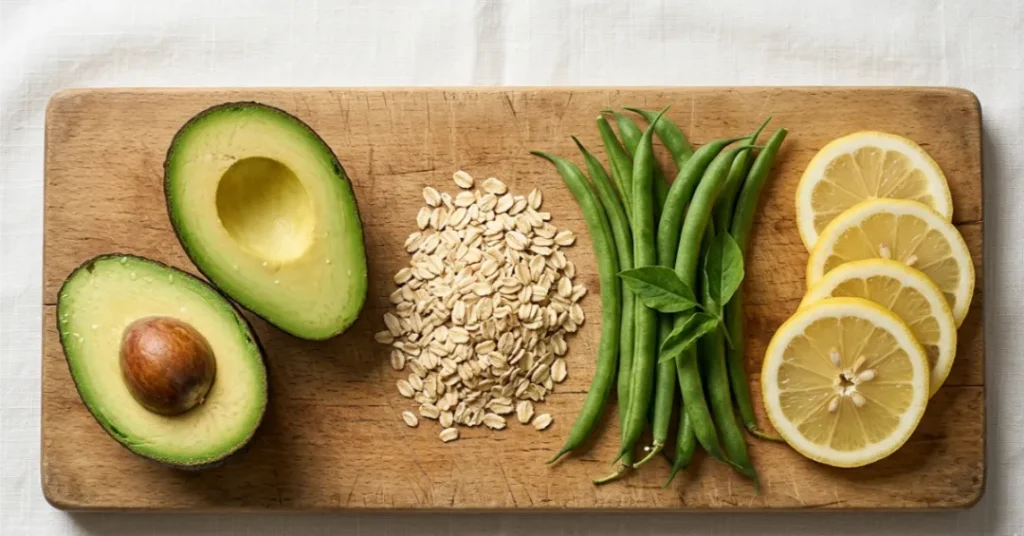
- High-fibre foods (oats, beans, vegetables) stimulate GLP-1-producing cells in the gut
- Protein-rich meals, particularly eggs, fish, and legumes, produce a strong GLP-1 response
- Fermented foods supporting a healthy gut microbiome may improve GLP-1 sensitivity
Lifestyle factors that support GLP-1:
- Regular physical exercise, particularly resistance training and post-meal walks
- Intermittent fasting protocols, which appear to upregulate GLP-1 receptor sensitivity over time (see our guide to intermittent fasting)
- Adequate sleep, since poor sleep directly impairs hormone signalling including GLP-1
Supplements with supporting evidence:
- Berberine is the supplement most frequently discussed in this context. It has been shown to improve insulin sensitivity and blood sugar regulation through mechanisms that partially overlap with GLP-1 activity. Our deep-dive into berberine and insulin sensitivity covers the evidence in detail.
- Curcumin and ginseng have shown GLP-1-stimulating effects in preliminary studies, though human evidence remains limited.
The honest assessment is this: natural approaches can meaningfully support your GLP-1 system and are the right starting point for most people. They do not, however, produce the same magnitude of effect as pharmaceutical GLP-1 receptor agonists. For people with significant insulin resistance or obesity, medication may be a necessary tool alongside, not instead of, lifestyle change.
Understanding how insulin resistance works is essential context for deciding which approach is right for you.
One important caveat: GLP-1 medications are not a permanent fix on their own. Research shows that the majority of weight lost is regained when people stop taking them without having made accompanying lifestyle changes. The medications work best as a bridge, creating the metabolic and appetite conditions in which sustainable habits can take root.
Frequently Asked Questions
What is the difference between Ozempic and Wegovy?
Both contain semaglutide, the same active ingredient. Wegovy is a higher dose (2.4 mg weekly versus Ozempic’s maximum of 2.0 mg) and is approved specifically for weight management. Ozempic is approved for type 2 diabetes but is sometimes prescribed off-label for weight loss at lower doses.
Do you have to take GLP-1 medications forever?
Not necessarily, but stopping them typically reverses the benefits. Studies show that most people regain a significant portion of lost weight within a year of stopping. The goal should be to use the medication window to build sustainable lifestyle habits, including changes to diet, exercise, and sleep, that can support metabolic health independently over time.
Are GLP-1 medications safe for people without diabetes?
Wegovy and Zepbound are approved for weight management in people without diabetes who meet the BMI criteria. Large-scale trials show a strong safety profile in this group, though long-term data beyond 4–5 years is still accumulating. Anyone without diabetes considering these medications should discuss individual risk factors with their prescribing doctor.
Can you boost GLP-1 naturally without medication?
Yes, through high-fibre and high-protein meals, regular exercise, intermittent fasting, and gut-supporting dietary patterns. Supplements like berberine show relevant effects but at a fraction of the potency of pharmaceutical GLP-1 agonists. Natural approaches are a meaningful first step and remain important even for those on medication.
What happens to muscle mass on GLP-1 medications?
GLP-1 medications reduce overall body weight, but a portion of that weight loss can be lean muscle mass if dietary protein and resistance training are not prioritised. Research suggests that 25–39% of weight lost on semaglutide may come from lean mass. Eating sufficient protein (at least 1.2–1.6 g per kg of body weight daily) and incorporating strength training are strongly recommended alongside these medications.
How quickly do GLP-1 medications work?
Most people see measurable blood sugar improvements within the first 1–2 weeks. Appetite suppression often becomes noticeable in weeks 2–4. Significant weight loss typically unfolds over 3–6 months as doses are gradually increased to the therapeutic target. Maximum results in the major trials were measured at 68–72 weeks.
Conclusion
GLP-1 medications represent a genuine scientific breakthrough in metabolic health. They work by amplifying a natural hormone system that regulates insulin, glucagon, appetite, and gastric emptying all at once, producing effects that go well beyond simple appetite suppression. The evidence, particularly for semaglutide and tirzepatide, is some of the strongest in the history of metabolic medicine.
At the same time, they are tools with real limitations, real side effects, and real costs. They work best when paired with the lifestyle foundations that support your GLP-1 system naturally: a fibre-rich, protein-forward diet, regular movement, quality sleep, and targeted supplementation where appropriate.
Whether you are considering GLP-1 medications for yourself or simply trying to understand one of the most talked-about developments in health science, the most important takeaway is this: these drugs do not override your biology; they work with it. Building the same metabolic conditions through lifestyle gives your body the best chance of long-term health, with or without a prescription.
For a deeper understanding of how insulin drives weight gain and metabolic dysfunction, read our complete guide to insulin and weight loss.
