15 Foods That Boost Autophagy: Complete Guide
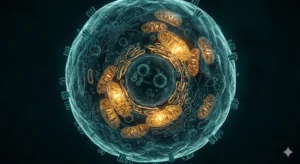
Your cells have an incredible built-in recycling system that breaks down damaged components and creates new, healthy ones. This process, called autophagy, is essential for longevity, disease prevention, and optimal metabolic health. But here’s what most people don’t know: specific foods that boost autophagy can activate this cellular renewal process without requiring extended fasting periods.
Autophagy literally means “self-eating,” and it’s your body’s way of cleaning house at the cellular level. When autophagy is working properly, your cells remove toxic proteins, damaged mitochondria, and other cellular debris that can contribute to aging and disease. Understanding autophagy mechanisms reveals why this process is fundamental to maintaining health.
While fasting is the most well-known autophagy trigger, certain nutrient-dense foods can also activate this powerful cellular process. These foods contain specific compounds that signal your cells to begin the cleanup process, offering many of the same benefits as fasting while still providing essential nutrients.
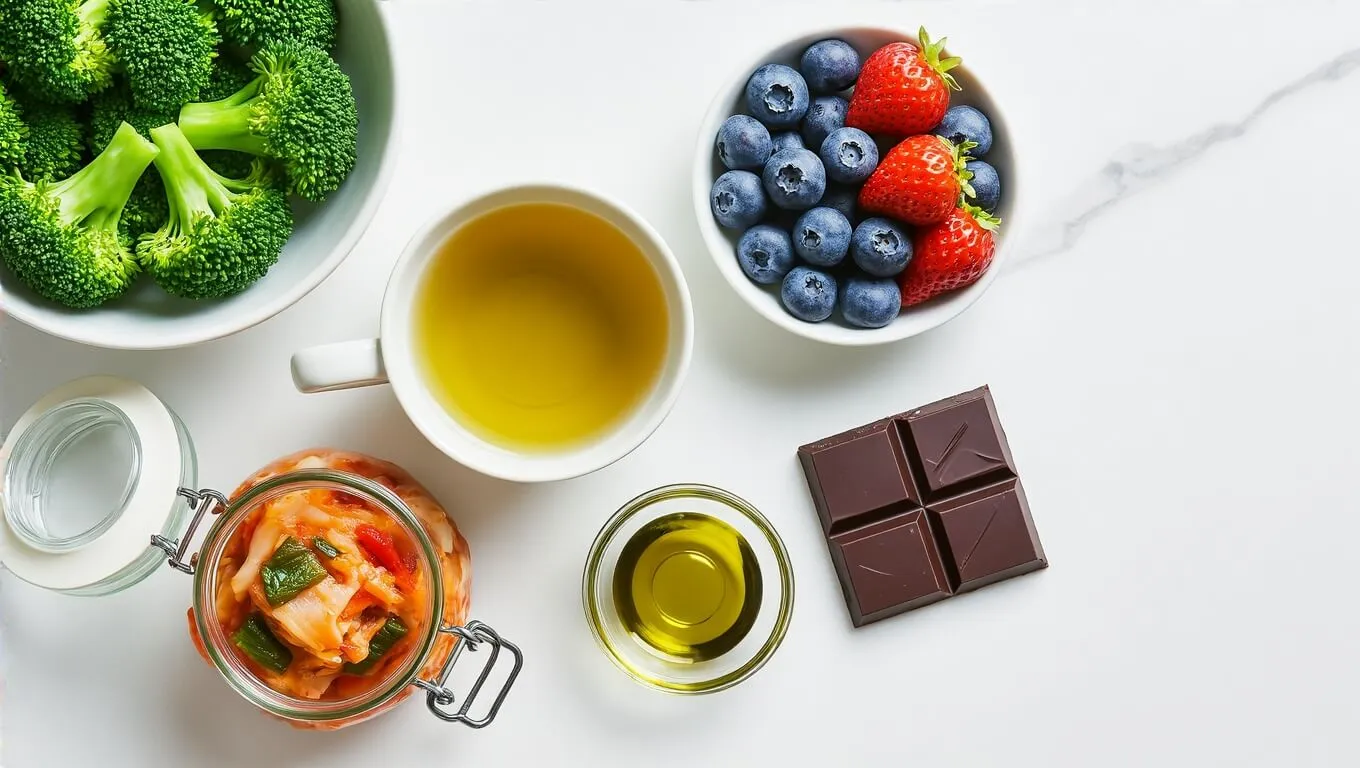
In this comprehensive guide, you’ll discover 15 science-backed foods that boost autophagy, how they work at the cellular level, and practical strategies for incorporating them into your daily diet. Whether you’re interested in longevity, metabolic health, or simply optimizing your cellular function, understanding when autophagy starts and how to enhance it through nutrition can transform your health.
What Makes a Food “Autophagy-Boosting”?
Not all healthy foods trigger autophagy, but the foods that boost autophagy share specific characteristics that activate your cells’ recycling machinery through distinct biochemical pathways.
First, autophagy-boosting foods contain compounds that activate AMP-activated protein kinase (AMPK), often called the body’s “metabolic master switch.” When AMPK is activated, it signals cells that energy is low and it’s time to recycle old components for fuel. Research published in Nature Reviews Molecular Cell Biology demonstrates how AMPK serves as a central regulator of cellular autophagy. This is the same pathway activated during intermittent fasting, making these foods powerful allies for cellular renewal.
Second, many autophagy-promoting foods inhibit a protein called mTOR (mechanistic target of rapamycin). While mTOR is essential for growth and muscle building, constant mTOR activation prevents autophagy. Foods that temporarily suppress mTOR create windows of opportunity for cellular cleanup without requiring complete caloric restriction.
Polyphenols are another key component in foods that boost autophagy. These plant compounds act as mild stressors that trigger hormetic responses, beneficial adaptations to low-level stress. Polyphenols found in tea, berries, and dark chocolate activate autophagy genes and enhance the expression of proteins needed for the cellular recycling process.
Antioxidants in autophagy-boosting foods also play a crucial role. While we need some oxidative stress to trigger autophagy, excessive free radicals can damage cells. The right balance of antioxidants protects cells while still allowing enough stress to activate beneficial autophagy pathways.
Finally, certain fats, particularly those that promote ketone production, can mimic fasting states. Ketones are signaling molecules that activate autophagy genes, allowing you to gain some fasting benefits while still consuming calories. Understanding these mechanisms helps explain why specific foods are particularly powerful for cellular renewal and why they work synergistically with recognizing signs of autophagy.
The Complete List: 15 Foods That Boost Autophagy
Category 1: Polyphenol-Rich Foods That Boost Autophagy
These foods that boost autophagy are particularly rich in polyphenols, powerful plant compounds that activate cellular cleanup through multiple pathways.
1. Green Tea
Green tea stands as one of the most powerful autophagy-activating beverages available. Its primary active compound, epigallocatechin gallate (EGCG), directly activates AMPK while simultaneously inhibiting mTOR—the perfect combination for triggering cellular cleanup.
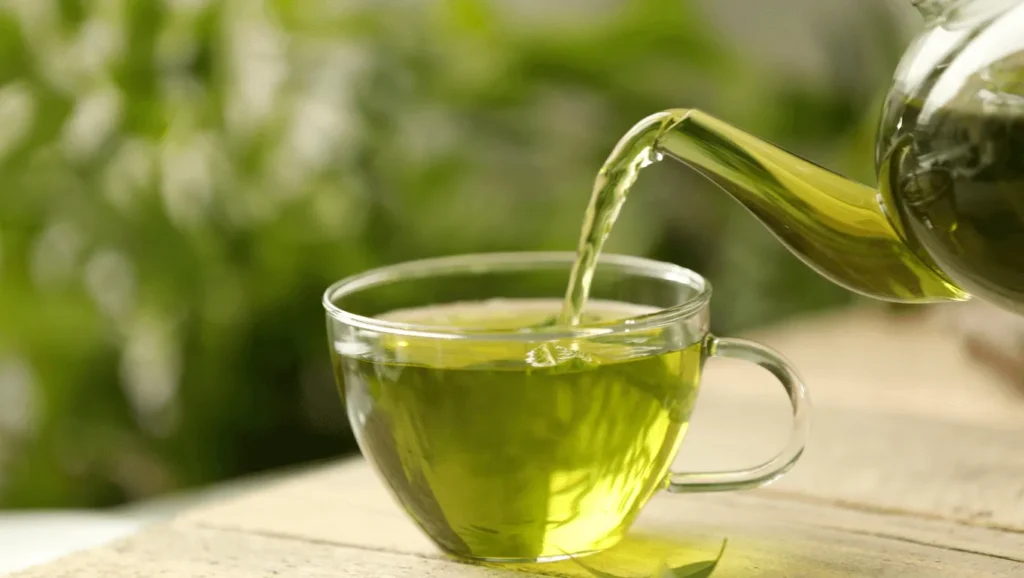
Research published in the journal Autophagy shows that EGCG can increase autophagy markers by up to 40% in human cells. The catechins in green tea also enhance the expression of autophagy-related genes, making your cells more efficient at recycling damaged components.
For optimal autophagy benefits, consume 2-3 cups of high-quality green tea daily. Matcha, which uses the whole tea leaf, provides even higher concentrations of EGCG. Brew at 160-170°F rather than boiling water to preserve delicate polyphenols. Drinking green tea during your eating window can enhance the autophagy you achieve during fasting periods.
2. Coffee
Your morning coffee does more than wake you up; it triggers significant autophagy activation. Coffee contains over 1,000 bioactive compounds, with chlorogenic acid and caffeine being the primary autophagy promoters.
Caffeine activates AMPK and increases cellular energy demands, creating conditions that favor autophagy. Chlorogenic acid provides additional benefits by reducing oxidative stress and inflammation, both of which can impair the autophagy process.
Studies demonstrate that coffee consumption increases markers of autophagy in the liver, brain, and muscles. Interestingly, both caffeinated and decaffeinated coffee trigger autophagy, though caffeine provides additional AMPK activation. For those wondering does coffee break autophagy during fasting? Black coffee actually enhances it without breaking your fast.
Aim for 2-4 cups daily, preferably black or with minimal additions. Avoid loading coffee with sugar and cream, as insulin spikes from added sugars will completely shut down autophagy.
3. Dark Chocolate (85%+ Cacao)
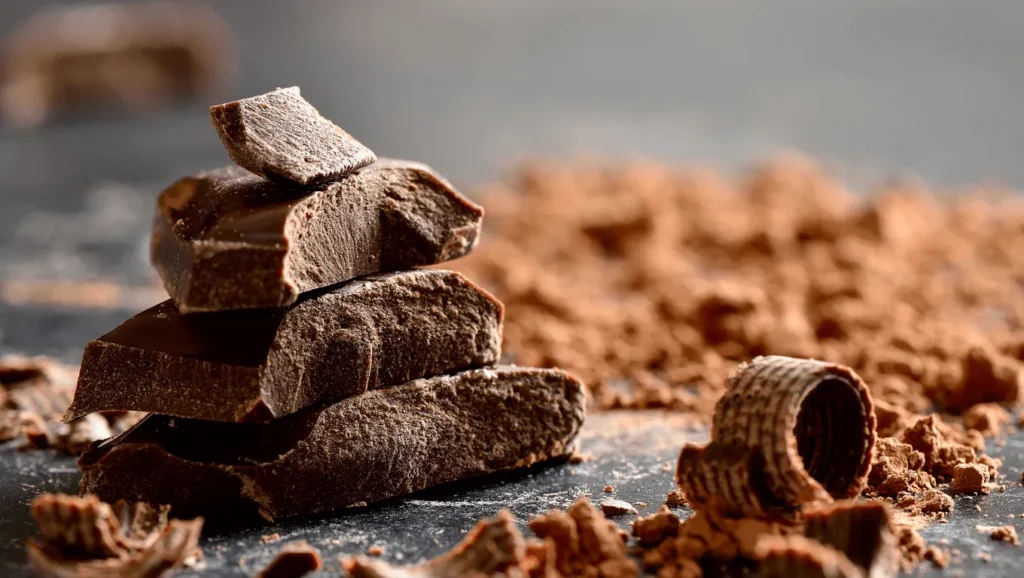
High-quality dark chocolate isn’t just a treat—it’s a legitimate autophagy activator. The key is choosing chocolate with at least 85% cacao content, as lower percentages contain too much sugar, which inhibits autophagy.
Dark chocolate’s flavonoids, particularly epicatechin, activate autophagy through multiple pathways. These compounds increase AMPK activity, reduce inflammation, and protect mitochondria from oxidative damage. The mild stress that polyphenols place on cells triggers beneficial adaptations, including enhanced autophagy.
Research indicates that cocoa flavonoids can increase autophagy markers by 30-50% in cardiovascular cells. They also improve insulin sensitivity, which indirectly supports autophagy since high insulin levels block the process.
Limit consumption to 1-2 ounces (about 2-3 squares) daily. Choose organic, minimally processed dark chocolate with simple ingredients: cacao, cocoa butter, and minimal sweetener. Consuming dark chocolate earlier in the day prevents potential sleep disruption from its caffeine content.
4. Berries (Blueberries, Blackberries, Strawberries)
Berries pack an impressive autophagy-boosting punch relative to their size. Their deep colors come from anthocyanins—powerful polyphenols that trigger cellular renewal processes.
Blueberries contain pterostilbene, a compound similar to resveratrol that strongly activates autophagy genes. Blackberries and raspberries provide ellagic acid, which enhances cellular cleanup in the brain and may offer neuroprotective benefits. Strawberries contain fisetin, a flavonoid that removes senescent (aged) cells while promoting autophagy in healthy ones.
Studies show that regular berry consumption increases autophagy in brain cells, potentially protecting against neurodegenerative diseases. The low sugar content relative to other fruits means berries won’t spike insulin significantly, allowing autophagy to proceed.
Consume 1/2 to 1 cup of mixed berries daily. Frozen berries retain most of their polyphenol content and are often more affordable. Add them to meals during your eating window, or blend them into smoothies. Their fiber content also supports gut microbiome health, which influences whole-body autophagy.
Category 2: Cruciferous Vegetables
5. Broccoli
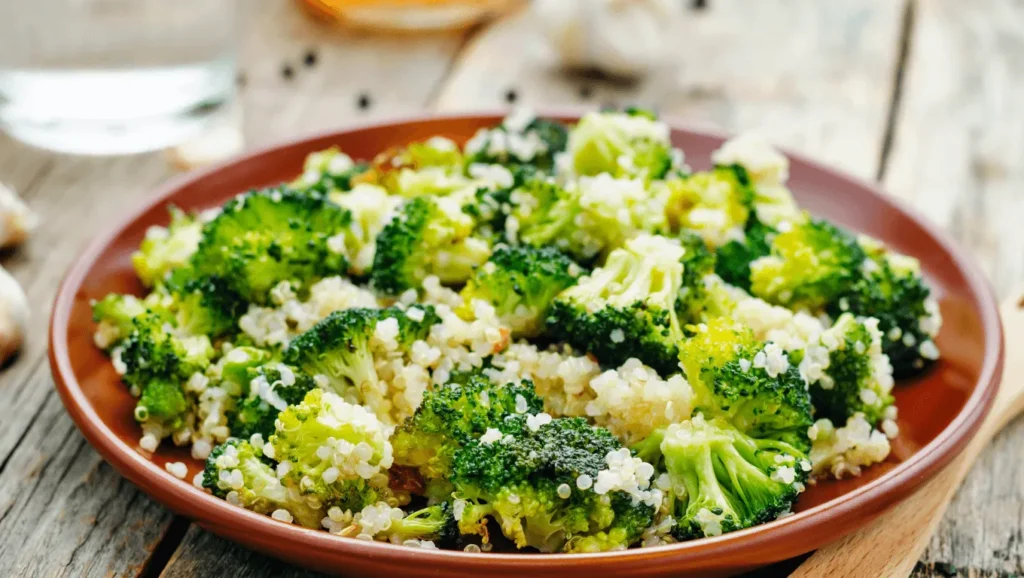
Broccoli earns its superfood status through sulforaphane, one of the most potent natural autophagy activators identified. When you chew broccoli, an enzyme called myrosinase converts glucoraphanin into sulforaphane, which then triggers multiple cellular protective mechanisms, including autophagy.
Sulforaphane activates a pathway called Nrf2, which regulates over 200 genes involved in antioxidant production and cellular protection. This activation increases autophagy while simultaneously protecting cells from the stress of the cleanup process.
Research from Johns Hopkins University demonstrates that sulforaphane can increase autophagy markers by up to 60% in various cell types. It’s particularly effective at promoting autophagy in brain cells, offering potential protection against cognitive decline.
To maximize sulforaphane content, lightly steam broccoli for 3-4 minutes or eat it raw. Overcooking destroys myrosinase, the enzyme needed to create sulforaphane. Pairing broccoli with myrosinase-rich foods like mustard, horseradish, or wasabi can boost sulforaphane production even in cooked broccoli.
Aim for 1-2 cups of broccoli 3-4 times weekly. Broccoli sprouts contain 10-100 times more glucoraphanin than mature broccoli, making them an exceptionally concentrated source.
6. Kale
Kale combines multiple autophagy-promoting compounds in one nutrient-dense package. Like broccoli, it contains glucosinolates that convert to sulforaphane and other isothiocyanates. It also provides high levels of vitamins C and K, along with flavonoids like quercetin and kaempferol.
These compounds work synergistically to activate autophagy genes while reducing oxidative stress. Kale’s high fiber content slows digestion and helps maintain stable blood sugar, preventing insulin spikes that would shut down autophagy.
The bitter compounds in kale, called glucosinolates, also support liver detoxification. Since the liver is a primary site of autophagy in the body, supporting liver health enhances whole-body cellular renewal.
Consume 1-2 cups of raw or lightly cooked kale several times weekly. Massaging raw kale with a bit of olive oil and lemon juice breaks down tough fibers and improves digestibility. Remove tough stems, and remember that kale pairs perfectly with other autophagy foods like olive oil and garlic. Understanding macronutrient balance helps you incorporate kale effectively.
7. Brussels Sprouts
Brussels sprouts provide concentrated doses of glucosinolates, the compounds that make cruciferous vegetables so powerful for autophagy. They’re particularly rich in sinigrin, which converts to allyl isothiocyanate, a potent autophagy activator.
These mini cabbages also contain kaempferol, a flavonoid that activates autophagy while protecting against chronic diseases. Research shows that regular consumption of Brussels sprouts increases the expression of genes involved in cellular detoxification and renewal.
The vitamin K in Brussels sprouts plays an often-overlooked role in cellular health. Adequate vitamin K supports mitochondrial function, and healthy mitochondria are essential for efficient autophagy.
Eat 1 cup of Brussels sprouts 2-3 times weekly. Roasting at 400°F until slightly charred brings out their natural sweetness while preserving glucosinolates. Avoid boiling, which leaches beneficial compounds into cooking water. Toss with olive oil and garlic before roasting to combine multiple autophagy-promoting foods.
8. Cauliflower
Cauliflower’s versatility makes it easy to incorporate into an autophagy-promoting diet. It contains sulforaphane, indole-3-carbinol, and other glucosinolates that trigger cellular cleanup processes.
Indole-3-carbinol is particularly interesting because it activates autophagy while also supporting healthy hormone metabolism. This makes cauliflower beneficial for both cellular renewal and hormonal balance.
Cauliflower is also one of the most insulin-friendly vegetables available. Its low glycemic impact means it won’t interfere with autophagy by triggering insulin release, making it an ideal carbohydrate source during eating windows.
Include 1-2 cups of cauliflower 3-4 times weekly. Use cauliflower rice as a low-carb base for meals, roast florets with turmeric and black pepper, or blend steamed cauliflower into mashed potato substitutes. Raw cauliflower retains maximum myrosinase activity, so consider adding it to salads.
Category 3: Healthy Fats & Oils
9. Extra Virgin Olive Oil
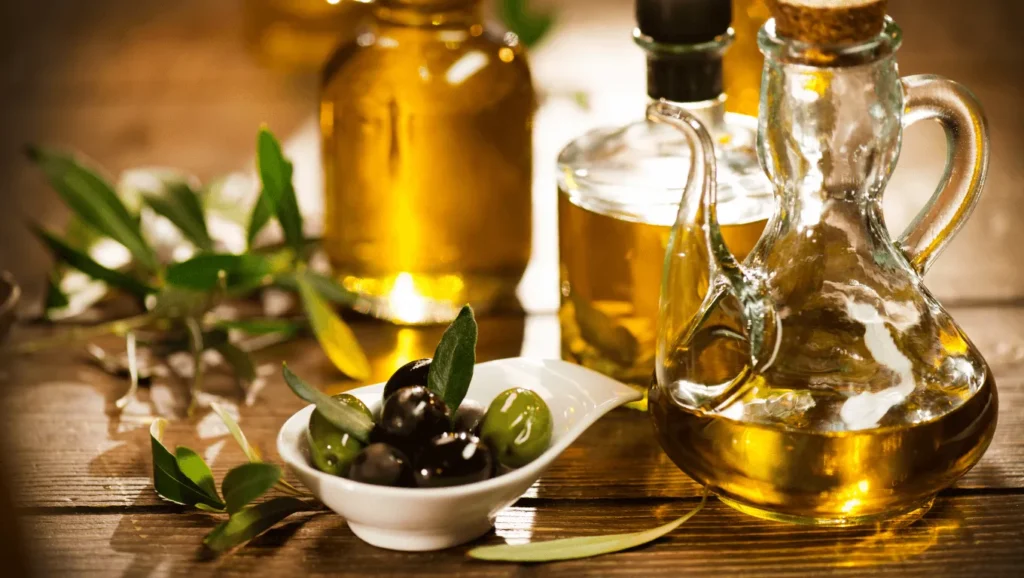
Extra virgin olive oil deserves its reputation as a cornerstone of healthy eating, particularly for autophagy. Its primary polyphenol, oleocanthal, directly activates autophagy genes while reducing inflammation throughout the body.
Oleocanthal works similarly to ibuprofen in reducing inflammation, but unlike NSAIDs, it promotes rather than inhibits autophagy. The oleic acid in olive oil also activates AMPK, creating cellular conditions favorable for autophagy.
Studies on Mediterranean diets, which feature olive oil prominently, show enhanced autophagy markers and increased longevity. The monounsaturated fats in olive oil support cellular membrane health, ensuring that autophagy machinery can function efficiently.
High-quality olive oil contains 30+ phenolic compounds that work synergistically to promote cellular health. The peppery, slightly bitter taste indicates high polyphenol content; seek this out rather than bland oils.
Use 2-3 tablespoons daily. Drizzle over cooked vegetables, use as a salad dressing base, or consume a tablespoon on an empty stomach to maximize polyphenol absorption. Store in dark glass bottles away from heat and light. Choose oils certified for low acidity (<0.5%) and harvest dates within the past 12-18 months.
10. Coconut Oil (MCT)
Coconut oil and concentrated MCT oil offer unique autophagy benefits through their medium-chain triglycerides. Unlike long-chain fatty acids, MCTs go directly to the liver, where they’re converted to ketones—even when you’re not fasting.
Ketones are powerful autophagy activators. When ketone levels rise, they signal cells to shift into maintenance and repair modes. This makes MCT oil a shortcut to some fasting benefits without actually fasting.
Beta-hydroxybutyrate (BHB), the primary ketone produced from MCTs, directly activates autophagy genes and protects neurons from oxidative stress. This makes coconut oil particularly valuable for brain health and cognitive function.
Research shows that MCT supplementation increases autophagy markers in the brain, liver, and muscles. The quick conversion to ketones means you can trigger autophagy activation within 30-60 minutes of consumption.
Start with 1 teaspoon and gradually increase to 1-2 tablespoons daily, as MCT oil can cause digestive upset in larger initial doses. Add to coffee or smoothies, use in cooking (though it has a lower smoke point than other oils), or take it directly. Some people combine MCT oil with intermittent fasting for enhanced autophagy.
11. Avocados
Avocados provide monounsaturated fats that support autophagy while delivering essential nutrients. Their high oleic acid content activates AMPK similarly to olive oil, promoting cellular energy metabolism and autophagy.
Beyond healthy fats, avocados contain glutathione precursors. Glutathione is your body’s master antioxidant, and adequate levels are essential for efficient autophagy. The cellular cleanup process generates oxidative stress, and glutathione protects cells during this beneficial stress.
Avocados are also rich in potassium and magnesium, minerals that support mitochondrial health. Since damaged mitochondria are primary targets for autophagy, maintaining mitochondrial function enhances the efficiency of cellular renewal.
The fiber in avocados slows digestion and prevents blood sugar spikes. Stable blood sugar means lower insulin levels, creating permissive conditions for autophagy to proceed.
Eat half to one whole avocado daily. Add sliced avocado to salads, blend into smoothies for creaminess, or simply enjoy with a sprinkle of sea salt. Pair avocados with other autophagy foods like tomatoes, leafy greens, or cruciferous vegetables. Understanding how different macronutrients affect insulin helps you time avocado consumption optimally.
Category 4: Fermented Foods
12. Kimchi
Kimchi provides autophagy benefits through two mechanisms: fermentation-derived compounds and cruciferous vegetable content. As a fermented food, kimchi contains postbiotics—beneficial compounds produced during fermentation that signal cells to activate autophagy.
The cabbage and other vegetables in kimchi provide glucosinolates that convert to autophagy-activating isothiocyanates. Fermentation actually increases the bioavailability of these compounds, making them more potent.
Perhaps most importantly, kimchi supports gut health. Your gut microbiome directly influences whole-body autophagy through the gut-brain axis and metabolic signaling. Research shows that people with diverse, healthy gut microbiomes have more robust autophagy systems. This connection between gut microbiome and metabolic health affects numerous body systems.
The probiotics in kimchi also produce short-chain fatty acids like butyrate, which activate autophagy genes in intestinal cells. This enhanced gut cell turnover supports barrier function and reduces inflammation.
Consume 1/4 to 1/2 cup of kimchi daily. Choose unpasteurized, refrigerated kimchi to ensure live probiotic content. Start with smaller amounts if you’re new to fermented foods and gradually increase. Kimchi’s spicy heat comes from capsaicin, which provides additional autophagy benefits.
13. Sauerkraut
Sauerkraut offers similar benefits to kimchi with a milder flavor profile. The fermentation process creates organic acids that activate autophagy while supporting digestive health.
Lactic acid bacteria in sauerkraut produce compounds that enhance intestinal barrier function and reduce inflammation. Since chronic inflammation inhibits autophagy, supporting gut health indirectly promotes cellular renewal throughout your body.
Fermented cabbage is particularly rich in vitamin C and K, nutrients depleted by cooking. These vitamins support the antioxidant systems that protect cells during autophagy. Vitamin K specifically supports mitochondrial health, making autophagy more efficient.
The fermentation process also increases the bioavailability of minerals in cabbage, particularly iron and zinc. These minerals serve as cofactors for enzymes involved in autophagy, making them essential for optimal cellular cleanup.
Eat 1/4 to 1/2 cup of raw, unpasteurized sauerkraut daily. Look for refrigerated sauerkraut with simple ingredients: cabbage, salt, and water. Pasteurized sauerkraut lacks live bacteria and many beneficial compounds. Add sauerkraut to salads, serve alongside protein, or eat as a tangy snack.
14. Apple Cider Vinegar
Apple cider vinegar (ACV) activates autophagy through its acetic acid content. Acetic acid triggers AMPK activation, similar to exercise or fasting, signaling cells to shift into energy-conserving and cleanup modes.
Research demonstrates that acetic acid consumption improves insulin sensitivity and reduces blood sugar spikes after meals. Since high insulin levels block autophagy, improving insulin sensitivity creates more opportunities for cellular renewal. Learn more about how apple cider vinegar helps with insulin resistance.
ACV also supports liver function and detoxification. The liver is the primary site of autophagy in the body, processing and recycling cellular components. Supporting liver health enhances your body’s overall autophagy capacity.
The polyphenols in unfiltered ACV provide additional antioxidant protection. Look for cloudy ACV “with the mother”, the bacterial culture that provides probiotic benefits. Discover more apple cider vinegar benefits.
Mix 1-2 tablespoons of ACV in 8 ounces of water and drink before meals. This timing helps blunt blood sugar responses, maintaining lower insulin levels. Start with 1 teaspoon if you’re sensitive to the taste and gradually increase. Always dilute ACV to protect tooth enamel and esophageal tissue.
Category 5: Spices & Herbs
15. Turmeric (Curcumin)
Turmeric contains curcumin, one of the most studied natural autophagy activators. Curcumin works through multiple pathways, including AMPK activation, mTOR inhibition, and direct interaction with autophagy-related proteins.
Studies published in molecular pharmacology journals show that curcumin can increase autophagy by up to 300% in certain cell types. It’s particularly effective at promoting autophagy in brain cells, potentially offering neuroprotective benefits against Alzheimer’s and Parkinson’s diseases.
Curcumin also exhibits powerful anti-inflammatory effects that support autophagy. Chronic inflammation impairs cellular cleanup processes, so reducing inflammation indirectly enhances autophagy throughout the body.
The challenge with curcumin is bioavailability, your body doesn’t absorb it efficiently. Combining turmeric with black pepper increases absorption by 2,000% due to piperine in black pepper. Fat also enhances curcumin absorption, so consume turmeric with healthy fats like olive oil or coconut oil.
Use 1-2 teaspoons of turmeric powder daily or take 500-1000mg of curcumin supplements. Add turmeric to curries, soups, smoothies, or golden milk. For therapeutic effects, curcumin supplements standardized to 95% curcuminoids with piperine offer more reliable results than dietary turmeric alone.
Honorable Mentions:
Ginger contains gingerol, which activates autophagy while reducing inflammation and supporting digestion. Use fresh or powdered ginger in teas, stir-fries, and smoothies.
Cinnamon improves insulin sensitivity and activates AMPK, creating favorable conditions for autophagy. Add 1/2 to 1 teaspoon daily to coffee, smoothies, or oatmeal.
Garlic provides allicin and other organosulfur compounds that trigger autophagy genes. Use fresh crushed garlic rather than powder for maximum benefits.
How to Incorporate Foods That Boost Autophagy Into Your Diet
Creating a practical plan for incorporating foods that boost autophagy ensures you get consistent cellular renewal benefits without feeling overwhelmed.
Morning Routine: Start your day with black coffee or green tea to activate AMPK and jumpstart autophagy. If you follow intermittent fasting, these beverages enhance autophagy without breaking your fast. If you eat breakfast, add berries to Greek yogurt or oatmeal, sprinkle cinnamon for added benefits, and include a side of sauerkraut or kimchi.
Lunch Strategies: Build salads around mixed greens, cruciferous vegetables, and healthy fats. A typical autophagy-promoting lunch might include kale and arugula topped with roasted broccoli and Brussels sprouts, cherry tomatoes, avocado slices, and a dressing made from extra virgin olive oil, apple cider vinegar, turmeric, and black pepper. Add fermented vegetables for probiotic benefits.
Dinner Ideas: Focus on autophagy-boosting vegetables as the foundation. Roast a variety of cruciferous vegetables with olive oil and garlic. Serve alongside a moderate portion of protein and cauliflower rice seasoned with turmeric. Finish your meal 3-4 hours before bed to maximize overnight autophagy.
Strategic Snacking: When you need snacks, choose options that support rather than inhibit autophagy. A small handful of berries, 1-2 squares of 85% dark chocolate, green tea, or raw vegetables with guacamole all provide autophagy benefits without significantly raising insulin levels.
Sample Day of Eating:
Breakfast (if eating): Green tea, berries with unsweetened Greek yogurt, topped with chopped walnuts and cinnamon
Lunch: Large salad with kale, arugula, roasted broccoli, cherry tomatoes, avocado, kimchi, and olive oil-based dressing with apple cider vinegar
Snack: 2 squares of 85% dark chocolate with green tea
Dinner: Roasted Brussels sprouts and cauliflower with turmeric, a moderate serving of wild-caught salmon, and sauerkraut on the side
Timing Considerations: If you practice time-restricted eating, consume foods that boost autophagy during your eating window. This provides nutrients while supporting autophagy. The longest autophagy activation happens during your fasting period, but these foods enhance the process during fed states.
Many people find success with a 16:8 intermittent fasting schedule, eating autophagy-promoting foods during an 8-hour window. Understanding what happens to insulin during fasting helps you optimize timing.
For those new to tracking nutrition, learning how to count macros can help ensure you’re getting adequate protein while emphasizing autophagy foods.
Foods to Avoid That Inhibit Autophagy
Understanding what blocks autophagy is as important as knowing which foods boost autophagy to emphasize.
High-Sugar Processed Foods: Sugar causes rapid insulin spikes that completely shut down autophagy. Cookies, candy, sugary beverages, and desserts not only halt cellular cleanup but also promote insulin resistance over time. Even natural sugars in excess can inhibit autophagy, which is why low-sugar fruits like berries are preferable to tropical fruits.
Excessive Protein: While protein is essential, consuming large amounts constantly activates mTOR, blocking autophagy. This doesn’t mean you should avoid protein, but rather consume moderate amounts (0.8-1.0g per pound of ideal body weight for most people) and avoid constantly snacking on protein throughout the day.
Spacing protein intake and having periods of lower protein consumption allows mTOR to drop and autophagy to activate. This is one reason why intermittent fasting is so effective for autophagy.
Refined Carbohydrates: White bread, pasta, pastries, and other refined carbs spike blood sugar and insulin just like pure sugar. These foods provide minimal nutrients while shutting down autophagy. They also promote insulin resistance, which interferes with long-term metabolic health and autophagy capacity.
Trans Fats and Processed Oils: Artificially created trans fats and heavily processed vegetable oils promote inflammation and oxidative stress. This damages cellular machinery, including autophagy systems. These fats also disrupt cell membranes, impairing the formation of autophagosomes, the structures that perform cellular cleanup.
The Critical Role of Insulin: Insulin is autophagy’s primary “off switch.” Even small amounts of insulin can halt autophagy within minutes. Understanding how insulin works helps explain why managing blood sugar is crucial for cellular renewal.
This is why foods that boost autophagy tend to have minimal impact on insulin levels. They either contain little sugar and carbohydrate, or they improve insulin sensitivity, allowing your body to maintain lower insulin levels overall.
Chronic insulin elevation, as seen in insulin resistance, severely impairs autophagy capacity. This connection may explain why insulin resistance accelerates aging and increases disease risk. Managing blood sugar spikes supports both metabolic health and cellular renewal.
Additional Strategies to Maximize Autophagy
While food choices are crucial, other lifestyle factors significantly influence autophagy.

Exercise and Autophagy: Physical activity is one of the most powerful autophagy triggers. Exercise depletes cellular energy stores, activating AMPK and promoting cellular cleanup. Both endurance exercise and resistance training increase autophagy, though they activate different cellular pathways.
Research from the American Journal of Physiology shows significant increases in autophagy markers following moderate exercise. Moderate-intensity exercise performed in a fasted state maximizes autophagy benefits. Even a simple daily walk can activate cellular cleanup processes, especially when combined with intermittent fasting.
Sleep Quality Matters: Sleep is when your body performs extensive cellular maintenance. During deep sleep, autophagy increases throughout the brain, clearing out accumulated proteins and cellular debris. Poor sleep significantly impairs autophagy and contributes to accelerated aging.
Aim for 7-9 hours of quality sleep nightly. Going to bed at consistent times, keeping your bedroom cool and dark, and avoiding screens before bed all support healthy sleep and autophagy. Learn more about how sleep affects metabolic health.
Stress Management: Chronic stress elevates cortisol, which impairs autophagy through multiple mechanisms. Cortisol promotes insulin resistance, increases inflammation, and directly interferes with autophagy signaling pathways.
Regular meditation, yoga, deep breathing exercises, or time in nature help manage stress levels. Even short daily practices make a significant difference. Reducing chronic stress improves not just autophagy but overall metabolic health.
Supplement Considerations: While whole foods should be your foundation, certain supplements support autophagy. Learn about supplements for autophagy to understand which ones are backed by research.
Berberine is particularly interesting for metabolic health and autophagy. This plant compound activates AMPK similarly to exercise and improves insulin sensitivity. Research shows berberine increases autophagy while offering benefits for blood sugar control and weight loss. Discover the full berberine fat loss guide for comprehensive information.
Other autophagy-supporting supplements include resveratrol, spermidine, and alpha-lipoic acid. However, supplements should complement, not replace, an autophagy-promoting diet and lifestyle.
Combining Approaches: The most effective autophagy activation occurs when multiple strategies are combined. For example, practicing time-restricted eating, exercising in a fasted state, consuming autophagy-promoting foods during your eating window, managing stress, and prioritizing sleep all create synergistic benefits that far exceed the benefits of any single intervention.
Understanding various natural approaches to insulin sensitivity helps you create a comprehensive strategy for metabolic health and cellular renewal.
Recognizing the Signs of Active Autophagy
While you can’t directly measure autophagy without specialized lab tests, certain signs indicate your cellular cleanup systems are active.

Physical Markers: Increased mental clarity and focus often accompany autophagy activation. Many people report feeling sharper and more energized as their brains clear out cellular debris. Reduced hunger despite not eating is another sign; autophagy provides cellular fuel, reducing hunger signals.
Some people experience mild fatigue initially as their bodies adapt to increased cellular cleanup. This typically passes within a few days as autophagy efficiency improves.
Metabolic Indicators: Ketone production often accompanies autophagy, especially when fasting or following a low-carb diet. You can measure ketones with breath, blood, or urine tests. Even modest ketone elevation (0.5-1.0 mmol/L) suggests autophagy activation.
Improved fasting blood glucose and better overall blood sugar control indicate enhanced insulin sensitivity, which correlates with improved autophagy capacity. Tracking these markers helps you gauge how effectively your autophagy-promoting strategies are working.
Long-Term Benefits: Over weeks and months, enhanced autophagy manifests as improved body composition, better skin quality, enhanced mental performance, and increased resilience to stress. These changes reflect improved cellular health and turnover throughout your body.
For detailed information on recognizing autophagy, read about signs of autophagy during fasting and learn how to tell if you’re in autophagy.
Frequently Asked Questions
Q: How quickly do foods that boost autophagy trigger cellular renewal?
Foods that boost autophagy begin working within 1-2 hours of consumption, though maximum effects develop over days of consistent intake. Compounds like EGCG from green tea start activating AMPK within 30-60 minutes, while the cumulative benefits of polyphenols build over weeks.
The timeline varies based on individual factors, including metabolic health, insulin sensitivity, and existing autophagy capacity. People with insulin resistance may experience delayed responses until their metabolic health improves.
Q: Can you eat too many autophagy-boosting foods?
Balance is important. While these foods are healthy, they contain calories, and overeating anything prevents autophagy regardless of food quality. Excessive calorie intake keeps insulin elevated and prevents the energy deficit needed for optimal autophagy.
Focus on incorporating these foods into a balanced diet rather than consuming them in extreme amounts. Variety ensures you benefit from different autophagy-activating compounds while avoiding potential issues from excessive amounts of any single food.
Q: Do foods that boost autophagy work without fasting?
Yes, autophagy-promoting foods provide benefits even when you’re not fasting. They activate AMPK, inhibit mTOR, and trigger autophagy genes through pathways independent of fasting. However, the combination of these foods with time-restricted eating or intermittent fasting creates synergistic effects.
Think of autophagy-boosting foods as enhancing your baseline cellular cleanup while fasting provides peak autophagy activation. Together, they optimize cellular renewal throughout the day.
Q: What’s the best autophagy-boosting food to start with?
Green tea is an excellent starting point. It’s easy to incorporate, provides immediate benefits, and doesn’t require preparation like vegetables or fermented foods. Most people tolerate green tea well, and it pairs naturally with various eating patterns, including fasting.
After establishing a green tea habit, add one or two cruciferous vegetables to your regular rotation, then incorporate healthy fats like olive oil and avocados. This gradual approach prevents overwhelm while building sustainable habits.
Q: Can children eat autophagy-boosting foods?
All the foods listed are nutritious, whole foods appropriate for children. However, children shouldn’t restrict calories or practice extended fasting to trigger autophagy—their growing bodies need consistent nutrition.
The autophagy-promoting foods in this guide support overall health in children through their antioxidant, anti-inflammatory, and nutrient content. Focus on making these foods a normal part of family meals rather than emphasizing autophagy specifically for children.
Q: How do foods that boost autophagy affect weight loss?
Foods that boost autophagy support weight loss through multiple mechanisms. Enhanced cellular efficiency improves metabolism, while improved insulin sensitivity helps your body access stored fat for fuel. The cellular cleanup process also removes damaged mitochondria, replacing them with more efficient energy-producing units.
Many autophagy-boosting foods are nutrient-dense but low in calories, supporting satiety without excess energy intake. The combination of improved metabolic function and healthy food choices naturally facilitates fat loss. Learn more about the connection between insulin and weight loss and how hormones affect metabolism.
Conclusion
Autophagy represents one of your body’s most powerful anti-aging and disease-prevention mechanisms. While fasting remains the most potent autophagy trigger, incorporating these 15 foods that boost autophagy into your daily diet provides consistent support for cellular renewal.
The beauty of this approach lies in its simplicity. You don’t need exotic superfoods or expensive supplements—many powerful autophagy activators are affordable, accessible foods like green tea, broccoli, and olive oil. By building meals around these cellular-renewal-promoting foods, you create a dietary pattern that supports longevity, metabolic health, and optimal cellular function.
Start by selecting 2-3 foods that boost autophagy from this list and incorporate them into your regular meal rotation. As these become habits, gradually add more autophagy-promoting foods while reducing those that inhibit cellular cleanup. Combine these dietary strategies with intermittent fasting, regular physical activity, quality sleep, and stress management for comprehensive cellular health optimization.
Remember that autophagy is a long-game strategy. You won’t notice dramatic changes overnight, but consistent application of these principles supports healthy aging, disease prevention, and optimal metabolic function over months and years. Your cells are constantly renewing themselves—give them the tools they need through these powerful foods that boost autophagy.
Understanding autophagy mechanisms and implementing natural approaches to insulin sensitivity creates a foundation for lifelong health. Start today with one cup of green tea, one serving of broccoli, or one tablespoon of olive oil—each small step activates the cellular renewal that supports vibrant health for years to come.