
Does Coffee Break Autophagy? Complete Guide Revealed
If you’re practicing intermittent fasting to trigger autophagy, you’ve likely wondered whether your morning coffee disrupts this cellular renewal process. The question “Does coffee break autophagy?” has sparked considerable debate in the fasting community, with conflicting information leaving many confused about their morning ritual.
The relationship between coffee and autophagy isn’t as straightforward as a simple yes or no answer. Understanding whether coffee break autophagy requires examining the science behind both processes and how different components of coffee interact with your body’s cellular mechanisms.
In this comprehensive guide, we’ll explore the scientific evidence surrounding the question of does coffee break autophagy, helping you make informed decisions about your fasting protocol and metabolic health optimization.
What is Autophagy and Why Does It Matter?
Before we can determine whether coffee breaks autophagy, it’s essential to understand what autophagy is and why it’s so important for your health.
Autophagy, derived from Greek words meaning “self-eating,” is your body’s natural cellular recycling process. During autophagy, cells break down and remove damaged proteins, organelles, and other cellular debris. This process is crucial for maintaining cellular health and preventing various diseases.
The benefits of autophagy include:
- Removal of damaged cellular components
- Reduction of inflammation
- Enhanced immune function
- Protection against neurodegeneration
- Improved metabolic health
- Increased longevity
Autophagy mechanisms and cellular renewal become particularly active during periods of nutrient deprivation, such as fasting. This is one reason why understanding when autophagy starts during fasting has become such an important topic for those interested in metabolic health.
According to research published in the National Institutes of Health database, autophagy plays a critical role in maintaining cellular homeostasis and may be one of the key mechanisms through which fasting extends lifespan.
How Fasting Triggers Autophagy
Autophagy is primarily triggered by cellular stress, particularly nutrient deprivation. When you fast, several metabolic changes occur that activate autophagy. Understanding these mechanisms helps answer the question: Does coffee break autophagy?
Your insulin levels drop significantly, which is one of the primary signals for autophagy to begin. Lower insulin allows cells to shift from growth mode to maintenance and repair mode. Learn more about what happens to insulin levels during intermittent fasting.
The cellular energy sensor AMPK (adenosine monophosphate-activated protein kinase) becomes activated when glucose availability decreases. AMPK activation is one of the key pathways that stimulates autophagy.
The protein mTOR (mechanistic target of rapamycin), which promotes cell growth and inhibits autophagy, becomes less active when amino acids and other nutrients are scarce. Reduced mTOR activity removes one of the main brakes on autophagy.
Understanding these mechanisms helps us evaluate whether coffee breaks autophagy by examining how coffee affects these pathways.
The Components of Coffee That Matter
To understand whether coffee breaks autophagy, we need to examine what’s actually in your cup. Coffee contains numerous bioactive compounds, but three components are most relevant when considering if coffee breaks autophagy:
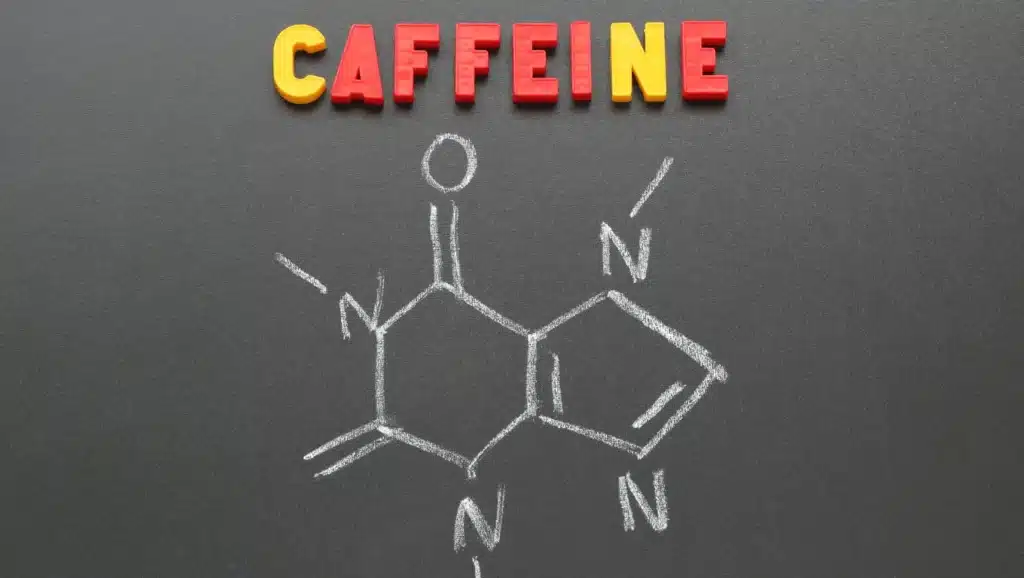
Caffeine is the primary stimulant in coffee. It affects various metabolic pathways and cellular processes, some of which directly relate to whether coffee breaks autophagy.
Polyphenols are antioxidant compounds that give coffee many of its health benefits. These include chlorogenic acids and other plant compounds with potential autophagy-inducing properties.
Calories and macronutrients vary depending on what you add to your coffee. Black coffee contains negligible calories (about 2-5 per cup), while adding cream, milk, or sugar significantly increases the caloric load.
The question of whether coffee breaks autophagy largely depends on which of these components we’re considering and how they affect the cellular pathways involved in autophagy.
Does Black Coffee Break Autophagy?
The good news for coffee lovers is that black coffee does not break autophagy. In fact, research suggests that not only does coffee not break autophagy, it may actually enhance this cellular renewal process through several mechanisms.
Studies have shown that caffeine can activate AMPK, the cellular energy sensor that promotes autophagy. When AMPK is activated, it triggers various cellular processes, including autophagy, making caffeine a potential autophagy enhancer rather than an inhibitor.
The polyphenols in coffee also appear to support autophagy. These compounds have been shown to activate autophagy pathways and may provide additional cellular protection during fasting periods.
Importantly, black coffee contains virtually no protein, carbohydrates, or fat—the macronutrients that would significantly raise insulin levels or activate mTOR, the pathways that inhibit autophagy. With only 2-5 calories per cup, black coffee falls well within what most experts consider an acceptable range that won’t meaningfully disrupt the fasting state.
Research from the University of Graz, published in Cell Cycle journal, demonstrated that coffee consumption increased autophagy in mice and human cell cultures. The study found that both caffeinated and decaffeinated coffee enhanced autophagy markers, providing strong evidence that coffee does not break autophagy.
What About Coffee with Additives?
While black coffee doesn’t break autophagy, the same cannot be said for coffee with various additives. Whether coffee break autophagy depends significantly on what you put in it.

Coffee with Cream or Milk
Adding cream, milk, or half-and-half to your coffee introduces proteins and fats that can affect whether coffee break autophagy. Even small amounts of protein can activate mTOR, one of autophagy’s main inhibitors.
A tablespoon of heavy cream contains about 50 calories, 5 grams of fat, and 0.5 grams of protein. While the protein content is minimal, it may be enough to slightly reduce autophagy, especially if you’re drinking multiple cups throughout the day. This is why many people ask: Does coffee break autophagy when cream is added?
The fat content itself is less problematic, as fat doesn’t significantly raise insulin levels. However, sufficient caloric intake from any source can signal the body that nutrients are available, potentially dampening autophagy.
Coffee with Sugar or Sweeteners
Adding sugar to coffee is one of the surest ways to ensure coffee breaks autophagy. Sugar causes a rapid spike in blood glucose and insulin levels, directly opposing the metabolic state required for autophagy.
Just one teaspoon of sugar contains 4 grams of carbohydrates and 16 calories, enough to raise insulin and inhibit autophagy. Understanding blood sugar spikes and warning signs can help you avoid this pitfall. If optimizing autophagy is your goal, sweetened coffee is best avoided during fasting periods.
Artificial sweeteners present a more complex picture regarding whether coffee break autophagy. While they don’t contain calories or raise blood glucose directly, some research suggests they may still trigger an insulin response or affect gut bacteria in ways that could influence autophagy. The evidence is mixed, and individual responses may vary.
Butter Coffee and MCT Oil
Butter coffee or “bulletproof coffee,” has become popular in fasting and ketogenic diet circles. This beverage combines coffee with grass-fed butter and MCT oil, providing a significant caloric load primarily from fats.
A typical butter coffee can contain 200-400 calories from fat. While fat doesn’t raise insulin as much as carbohydrates or protein, this level of caloric intake likely reduces autophagy compared to consuming black coffee or fasting completely. So technically, coffee with butter does break autophagy to some degree.
However, butter coffee may help some people extend their fasting window by reducing hunger while minimizing the autophagy-inhibiting effects of a full breakfast. The trade-off depends on your specific goals and how your body responds.
How Caffeine Affects Autophagy Pathways
Caffeine’s impact on the question “does coffee break autophagy” extends beyond simply avoiding calorie intake. Research indicates that caffeine actively promotes autophagy through several mechanisms:
AMPK Activation
Caffeine stimulates AMPK, the cellular energy sensor that promotes autophagy. By activating AMPK, caffeine helps trigger the cellular recycling process even in fed states, though the effect is more pronounced during fasting. This is one key reason why coffee does not break autophagy.
Calcium Signaling
Caffeine affects calcium levels in cells, which play a role in autophagy regulation. While the exact mechanisms are complex, caffeine-induced changes in calcium signaling may contribute to enhanced autophagy, further supporting that coffee does not break autophagy.
Mitochondrial Function
Caffeine has been shown to improve mitochondrial function and biogenesis. Since damaged mitochondria are one of the targets of autophagy, better mitochondrial health complements the autophagy process.
These mechanisms suggest that not only does coffee not break autophagy, it may actually enhance it, particularly when consumed without caloric additives.
Coffee Polyphenols and Cellular Renewal
Beyond caffeine, coffee contains numerous polyphenolic compounds that support the argument that coffee does not break autophagy. In fact, these compounds may actively promote cellular health:
Chlorogenic Acids
These are the most abundant polyphenols in coffee. Research suggests chlorogenic acids can activate autophagy pathways and provide antioxidant protection. They may help reduce oxidative stress that would otherwise damage cellular components.
Caffeic Acid
This polyphenol has demonstrated autophagy-inducing properties in various studies. It appears to work through multiple pathways, including effects on cellular stress responses, reinforcing that coffee does not break autophagy.
Quinides
Formed during the roasting process, quinides have antioxidant properties and may contribute to coffee’s overall effects on cellular health and autophagy.
The presence of these compounds means that even decaffeinated coffee may support autophagy, though the combination of caffeine and polyphenols likely provides the most robust effect. This evidence strongly suggests that coffee does not break autophagy when consumed properly.
The Timing of Coffee Consumption During Fasting
The question of whether coffee breaks autophagy also depends on when you consume it during your fasting window.
Morning Coffee
Most people who practice intermittent fasting consume coffee in the morning, often to help manage hunger and maintain energy levels. Black coffee consumed in the morning does not break your fast and won’t break autophagy. It may actually help you extend your fasting window by reducing appetite.
Since autophagy starts after approximately 12-16 hours of fasting and continues to increase with longer fasting durations, morning coffee won’t interfere with this process as long as it’s consumed black. Understanding signs of autophagy during fasting can help you monitor your progress.
Coffee Throughout the Day
Drinking multiple cups of black coffee throughout your fasting window is generally acceptable and shouldn’t break autophagy. However, some individuals may find that excessive caffeine intake later in the day affects their sleep quality, which could indirectly impact overall metabolic health and autophagy.
Research from the Sleep Foundation indicates that caffeine consumed even 6 hours before bedtime can significantly disrupt sleep quality, which is important to consider when asking does coffee break autophagy, since poor sleep can impair the autophagy process.
Pre-Workout Coffee
Many people consume coffee before exercise during their fasting window. This combination can be particularly effective, as both fasting and exercise promote autophagy. The caffeine may enhance workout performance while supporting the autophagy process, providing further evidence that coffee does not break autophagy.
Individual Variations in Response to Coffee
While the general evidence suggests that coffee does not break autophagy, individual responses can vary based on several factors:
Caffeine Sensitivity
Some people are more sensitive to caffeine than others due to genetic variations in caffeine metabolism. Those who are slow caffeine metabolizers may experience different effects on their metabolic pathways, though this doesn’t change the fundamental answer to does coffee break autophagy.
Insulin Sensitivity
Your baseline insulin sensitivity can affect how your body responds to various compounds in coffee. Those with insulin resistance may respond differently than those with optimal insulin sensitivity, though coffee still generally does not break autophagy for either group.
Gut Microbiome
Your gut bacteria play a role in metabolizing coffee compounds and may influence how coffee affects your metabolism and autophagy. The gut microbiome and insulin resistance connection is complex, but understanding it can help optimize your fasting protocol.
Fasting Experience
Those who are new to fasting may respond differently to coffee than experienced fasters. Your body’s adaptation to fasting can change over time, potentially affecting how coffee influences your autophagy response, though the core answer to does coffee break autophagy remains consistent.
Coffee vs. Other Fasting Beverages
When considering whether coffee break autophagy, it’s helpful to compare it to other common fasting beverages:
Tea
Like coffee, tea contains caffeine and polyphenols that may support autophagy. Green tea, in particular, contains compounds like EGCG that have been shown to enhance autophagy. Both coffee and tea do not break autophagy and appear to be excellent choices during fasting.
Water
Plain water is the gold standard for fasting, as it contains zero calories and no compounds that could potentially affect metabolic pathways. However, the potential autophagy-enhancing effects of coffee suggest it may offer advantages beyond simple hydration without breaking autophagy.
Bone Broth
While popular in some fasting circles, bone broth contains protein and calories that will break a fast and likely reduce autophagy compared to consuming only water or black coffee. So while coffee does not break autophagy, bone broth definitely does.
Herbal Tea
Most herbal teas contain negligible calories and won’t break autophagy. However, they lack the caffeine and specific polyphenols found in coffee and traditional tea that may actively promote autophagy.
Practical Guidelines for Coffee During Fasting
Based on the scientific evidence that coffee does not break autophagy, here are practical recommendations for coffee consumption when your goal is to optimize autophagy:
Keep It Black
To ensure coffee does not break autophagy, consume it black without any additives. This means no cream, milk, sugar, or sweeteners.
Limit Quantity
While black coffee does not break autophagy and may even support it, excessive caffeine intake can cause other issues like jitteriness, anxiety, or sleep disruption. Aim for 1-3 cups per day, depending on your caffeine tolerance.
Mind Your Sleep
Avoid coffee in the late afternoon or evening to protect your sleep quality. How sleep affects weight loss is an important consideration, as poor sleep can negatively impact autophagy and overall metabolic health.
Listen to Your Body
Pay attention to how coffee affects you personally. While coffee does not break autophagy in general, individual responses can vary. If you notice negative effects on energy, digestion, or sleep, adjust your consumption accordingly.
Consider Coffee Quality
Opt for organic, high-quality coffee when possible to minimize exposure to pesticides and maximize beneficial compound content. Freshly ground coffee may also provide more polyphenols than pre-ground varieties.
Other Lifestyle Factors That Affect Autophagy
While we’ve focused on whether coffee breaks autophagy, it’s important to remember that autophagy is influenced by many lifestyle factors:
Exercise
Physical activity, especially high-intensity exercise, powerfully stimulates autophagy. Combining fasting with exercise may provide synergistic benefits. Activities like walking can lower blood sugar and support metabolic health alongside autophagy optimization.
Sleep
Quality sleep is essential for optimal autophagy. During deep sleep, autophagy increases in the brain, helping to clear metabolic waste products. Learn more about how sleep disrupts hormones and affects weight loss.
Stress Management
Chronic stress can impair autophagy through elevated cortisol levels. Managing cortisol and belly fat is important for overall metabolic health and optimal autophagy function.
Nutrient Timing
What you eat during your feeding window affects autophagy during your fasting window. Understanding macronutrient effects on insulin levels can help you optimize your eating patterns to support autophagy.
Supplements
Certain supplements may support autophagy when combined with fasting. Consider reading about natural supplements to help lower insulin and other compounds like berberine for fat loss that may enhance metabolic health.
Common Myths About Coffee and Fasting
Let’s address some common misconceptions about whether coffee breaks autophagy:
Myth: Any calorie breaks autophagy
While consuming significant calories will reduce autophagy, the 2-5 calories in black coffee won’t meaningfully impact the process. This is why coffee does not break autophagy—it’s essentially calorie-free. Autophagy isn’t an all-or-nothing phenomenon.
Myth: Coffee dehydrates you during fasting
While caffeine has mild diuretic effects, the water content of coffee more than compensates for this. Coffee contributes to your overall hydration status and does not break autophagy through dehydration.
Myth: Only water is acceptable during fasting
While water is excellent, black coffee and tea can be consumed during fasting without breaking autophagy, and may even enhance it. The evidence clearly shows coffee does not break autophagy.
Myth: Decaf coffee is better for autophagy
Both caffeinated and decaffeinated coffee appear to support autophagy, though caffeine provides additional benefits through AMPK activation. Neither version of coffee breaks autophagy when consumed black. Choose based on your caffeine tolerance.
The Bottom Line: Does Coffee Break Autophagy?
After examining the scientific evidence, the answer is clear: black coffee does not break autophagy. In fact, coffee may enhance autophagy through multiple mechanisms, including AMPK activation and the effects of polyphenolic compounds.
However, this conclusion comes with important caveats. To ensure coffee does not break autophagy:
- Drink it black, without any caloric additives
- Avoid adding sugar, which will break your fast and inhibit autophagy
- Limit cream or milk if your primary goal is maximizing autophagy
- Pay attention to how coffee affects your individual response and overall health
Coffee can be a valuable tool in your fasting and autophagy optimization toolkit. It may help you extend your fasting window by reducing hunger, providing a mental and physical energy boost, and potentially enhancing the cellular renewal processes you’re seeking to activate, all without breaking autophagy.
Remember that autophagy is just one aspect of metabolic health. Your overall approach to hormones and metabolism should consider multiple factors, including nutrition timing, exercise, sleep, and stress management. Understanding how insulin works and its relationship to autophagy can help you create a comprehensive health strategy.
FAQs About Coffee and Autophagy
How many cups of coffee can I drink during fasting without breaking autophagy?
You can safely consume 2-4 cups of black coffee during your fasting window without breaking autophagy. The key is keeping it black—no cream, sugar, or other caloric additives. Some research suggests coffee may even enhance autophagy, so moderate consumption aligns well with fasting goals. Coffee does not break autophagy when consumed properly.
Does cold brew coffee affect autophagy differently from hot coffee?
Cold brew and hot coffee contain similar amounts of caffeine and polyphenols, so they likely have comparable effects on autophagy. Cold brew may have slightly different polyphenol profiles due to the extraction method, but both should support rather than inhibit autophagy when consumed black. Neither cold brew nor hot coffee break autophagy.
Will coffee break my fast if I’m fasting for weight loss rather than autophagy?
Black coffee won’t break your fast for weight loss purposes either. It contains negligible calories and may actually support weight loss by increasing metabolic rate, reducing appetite, and maintaining energy levels during fasting. Check out the complete guide to insulin and weight loss for more insights. Coffee does not break autophagy or interfere with fasting benefits.
Can I use artificial sweeteners in my coffee while fasting?
While artificial sweeteners don’t contain calories, they may trigger an insulin response in some people or affect gut bacteria in ways that could impact fasting benefits. If maximizing autophagy is your goal, it’s best to avoid sweeteners entirely to ensure coffee does not break autophagy. If you must use them, stevia or monk fruit may be the least problematic options.
Should I drink coffee before or after my workout during fasting?
Coffee consumed before a workout during your fasting window can be beneficial. Caffeine may enhance exercise performance, and both fasting and exercise stimulate autophagy, potentially providing synergistic effects. Coffee does not break autophagy before workouts—it may actually enhance the process. Just ensure you stay hydrated and listen to your body’s signals.
Does the roast level of coffee affect autophagy?
Different roast levels contain varying amounts of certain compounds, but both light and dark roasts should support autophagy when consumed black. Darker roasts have slightly less caffeine but develop different polyphenolic compounds during roasting. Choose based on your taste preference; neither type of coffee break autophagy when consumed properly.
Will coffee affect my ability to know if I’m in autophagy?
Coffee won’t interfere with recognizing whether you’ve achieved autophagy. Learn more about the signs of autophagy during fasting, and am I in autophagy to understand the indicators. Though caffeine may mask some hunger signals, it does not break autophagy or prevent you from achieving this beneficial cellular state. Focus on time-based indicators and how you feel overall.