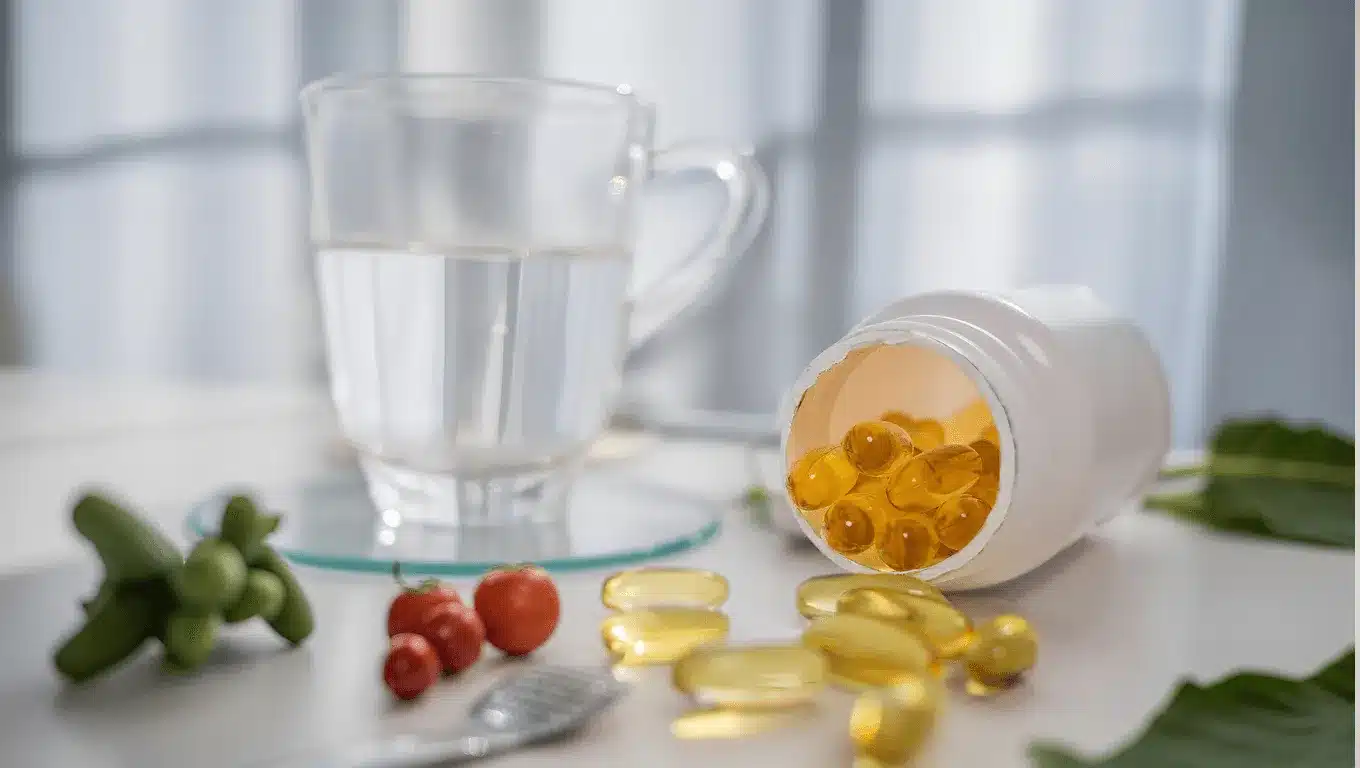
7 Best Supplements for Autophagy: Evidence-Based Guide
If you’re exploring ways to enhance your body’s natural cellular cleaning process, you’ve likely discovered the powerful benefits of autophagy. While intermittent fasting remains the most well-researched method to trigger autophagy, certain supplements for autophagy can amplify this cellular renewal process and provide additional metabolic benefits.
Autophagy, derived from the Greek words for “self-eating,” is your body’s way of recycling damaged cellular components and eliminating waste. This process plays a crucial role in promoting longevity, preventing disease, and maintaining optimal metabolic health.
The right supplements for autophagy can work synergistically with lifestyle strategies like fasting and exercise to enhance this natural process. But can supplements really make a meaningful difference? The answer is yes—when you choose evidence-based options supported by scientific research.
In this comprehensive guide, we’ll explore the seven best supplements for autophagy, examining the science behind each one and providing practical recommendations for incorporating them into your health regimen.
Whether you’re new to autophagy enhancement or looking to optimize your current protocol, understanding which supplements for autophagy offer the strongest evidence can help you make informed decisions about your cellular health.

Understanding Autophagy and Why It Matters
Before diving into specific supplements for autophagy, it’s essential to understand what autophagy does for your body. This cellular housekeeping process becomes particularly important as we age, as the efficiency of autophagy naturally declines over time.
Autophagy serves several critical functions:
- Removes damaged proteins and organelles
- Provides cellular building blocks during nutrient scarcity
- Protects against neurodegenerative diseases
- Supports immune function
- Enhances metabolic health and insulin sensitivity
- May extend lifespan
When autophagy functions optimally, your cells remain healthy, efficient, and resilient. Conversely, impaired autophagy has been linked to various age-related diseases, including Alzheimer’s, Parkinson’s, cancer, and metabolic disorders.
This is why many researchers and health practitioners recommend supplements for autophagy as part of a comprehensive longevity strategy.s.
The Science Behind Autophagy-Enhancing Supplements
The most effective supplements for autophagy work by activating specific cellular pathways, particularly AMPK (adenosine monophosphate-activated protein kinase) and sirtuins. These compounds essentially mimic some of the beneficial effects of fasting and caloric restriction, earning them the designation of “fasting mimetics.”
Understanding how these autophagy supplements function at the cellular level helps explain why they can be so effective when combined with proper lifestyle practices.
7 Best Supplements for Autophagy
1. Spermidine
Spermidine ranks among the most promising supplements for autophagy, with robust scientific evidence supporting its ability to induce this cellular process. This naturally occurring polyamine is found in wheat germ, soybeans, aged cheese, mushrooms, and other foods, though supplementation provides more concentrated amounts.
How It Works:
Spermidine triggers autophagy by inhibiting acetyltransferases, enzymes that would otherwise suppress autophagic activity. This mechanism is similar to caloric restriction and fasting, making spermidine a potential “fasting mimetic.”
Research Findings:
Studies have demonstrated that spermidine supplementation extends lifespan in multiple organisms, from yeast to mice. Human epidemiological studies show that higher dietary spermidine intake correlates with reduced mortality and improved cardiovascular health.
A 2018 study published in Nature Medicine found that spermidine supplementation improved cardiac function in elderly mice through enhanced autophagy. Similar benefits have been observed in cognitive function and metabolic health.
Dosage Recommendations:
Most research uses doses ranging from 1-2mg per day, though some studies have used up to 5mg daily. Spermidine is generally well-tolerated with minimal side effects.
2. Resveratrol
Resveratrol, a polyphenol found in red grape skins, berries, and Japanese knotweed, has gained considerable attention for its potential anti-aging and autophagy-enhancing properties.
How It Works:
Resveratrol activates sirtuins, particularly SIRT1, which are proteins involved in cellular stress responses and longevity. Sirtuin activation promotes autophagy through multiple pathways, including the deacetylation of autophagy-related proteins.
Additionally, resveratrol can activate AMPK (adenosine monophosphate-activated protein kinase), the same metabolic master switch activated by fasting and exercise.
Research Findings:
Numerous animal studies demonstrate that resveratrol extends lifespan and improves metabolic markers, largely through enhanced autophagy. Human studies show promising results for cardiovascular health, cognitive function, and glucose metabolism.
Dosage Recommendations:
Effective doses typically range from 150-500mg per day. However, resveratrol has relatively low bioavailability, meaning the body doesn’t absorb it efficiently. Taking it with fat-containing foods or choosing micronized formulations may improve absorption.
3. Curcumin
Curcumin, the active compound in turmeric, represents another powerful autophagy-inducing supplement with extensive research backing its benefits.
How It Works:
Curcumin promotes autophagy through multiple mechanisms, including AMPK activation, mTOR inhibition, and modulation of various signaling pathways involved in cellular stress responses. It also possesses potent anti-inflammatory and antioxidant properties that support overall cellular health.
Research Findings:
Studies show that curcumin can enhance autophagy in various tissue types, including the brain, liver, and muscles. This autophagy activation contributes to curcumin’s neuroprotective, cardioprotective, and anti-cancer properties.
Research published by the National Institutes of Health suggests curcumin may be particularly beneficial for protecting against neurodegenerative diseases through its autophagy-enhancing and anti-inflammatory effects.
Dosage Recommendations:
Like resveratrol, curcumin has poor bioavailability. Effective doses range from 500-2000mg daily, but formulations matter significantly. Look for:
- Curcumin combined with piperine (black pepper extract), which increases absorption by 2000%
- Liposomal or micellar formulations
- Curcumin complexed with phospholipids (such as Meriva)
4. Berberine
Berberine, an alkaloid found in several plants, including goldenseal and barberry, has emerged as a powerful metabolic compound with significant autophagy-inducing properties.
How It Works:
Berberine’s primary mechanism for inducing autophagy involves AMPK activation. By activating this metabolic master switch, berberine mimics some of the beneficial effects of caloric restriction and exercise. Additionally, berberine positively influences the gut microbiome, which can indirectly support autophagy and metabolic health.
Research Findings:
Beyond autophagy, berberine has been extensively studied for its effects on insulin sensitivity, blood sugar regulation, and lipid metabolism. Studies show it can be as effective as metformin for managing blood glucose levels.
Research demonstrates that berberine-induced autophagy contributes to its cardioprotective, neuroprotective, and metabolic benefits. Its ability to lower insulin naturally makes it particularly valuable for those dealing with metabolic syndrome.
Dosage Recommendations:
The typical effective dose is 500mg taken 2-3 times per day with meals (1000-1500mg total daily). Taking berberine with meals reduces potential gastrointestinal side effects and may improve absorption.
5. Quercetin
Quercetin, a flavonoid found in onions, apples, berries, and green tea, offers multiple health benefits, including autophagy enhancement and senolytic activity (the ability to eliminate senescent or “zombie” cells).
How It Works:
Quercetin induces autophagy through several pathways, including AMPK activation and modulation of autophagy-related genes. Its senolytic properties complement autophagy by helping remove cells that would otherwise contribute to aging and inflammation.
Research Findings:
Studies demonstrate that quercetin can enhance autophagy in various tissues and protect against age-related diseases. Its combination of autophagy-inducing and senolytic properties makes it particularly valuable for healthy aging.
Research also shows that quercetin may improve exercise performance and recovery, partly through its effects on cellular cleanup and renewal.
Dosage Recommendations:
Effective doses typically range from 500-1000mg per day. Quercetin is often combined with other compounds like vitamin C or bromelain to enhance absorption.
6. EGCG (Epigallocatechin Gallate)
EGCG, the primary catechin in green tea, represents one of the most well-researched plant compounds for health and longevity, with significant autophagy-promoting properties.
How It Works:
EGCG activates autophagy through multiple mechanisms, including AMPK activation, mTOR inhibition, and enhancement of autophagy-related gene expression. It also provides powerful antioxidant protection and supports mitochondrial health.
Research Findings:
Numerous studies link EGCG consumption with improved metabolic health, cognitive function, and reduced disease risk. Its autophagy-inducing properties contribute significantly to these benefits.
Research published in Cell Metabolism suggests that EGCG may be particularly beneficial for brain health, potentially protecting against neurodegenerative diseases through enhanced neuronal autophagy.
Dosage Recommendations:
Effective doses range from 300-800mg per day. You can obtain EGCG through green tea consumption (3-5 cups daily) or supplementation. Supplements provide more concentrated and consistent amounts.
7. Nicotinamide Riboside (NR) or Nicotinamide Mononucleotide (NMN)
These NAD+ precursors have gained significant attention in longevity research for their ability to boost cellular NAD+ levels, which naturally decline with age. Maintaining adequate NAD+ is crucial for autophagy and numerous other cellular processes.
How They Work:
NR and NMN increase cellular NAD+ levels, which activate sirtuins, the same longevity proteins activated by resveratrol. This sirtuin activation promotes autophagy and enhances mitochondrial function.
Research Findings:
Studies in animals show that NR and NMN supplementation can extend lifespan, improve metabolic health, enhance cognitive function, and protect against age-related diseases. Human studies, though more limited, show promising results for metabolic markers and overall hormonal balance.
Dosage Recommendations:
Research typically uses doses of:
- NR: 250-500mg per day
- NMN: 250-500mg per day
These supplements are generally well-tolerated, though they’re relatively expensive compared to other options on this list.

How to Choose Quality Supplements for Autophagy
Not all supplements are created equal. When selecting supplements for autophagy enhancement, consider these factors:
Third-Party Testing: Look for products tested by independent laboratories (such as ConsumerLab, NSF, or USP) to verify purity and potency.
Bioavailability: Many compounds have poor absorption. Choose formulations designed to enhance bioavailability, such as curcumin with piperine or liposomal formulations.
Manufacturer Reputation: Select established companies with transparent manufacturing practices and good quality control standards.
Realistic Claims: Be wary of products making exaggerated promises. Quality companies rely on science rather than hype.
Combining Supplements with Lifestyle Approaches
While supplements for autophagy can enhance cellular renewal, they work best when combined with lifestyle strategies that naturally trigger this process:
Intermittent Fasting: Fasting remains the most powerful autophagy trigger. Time-restricted eating or periodic longer fasts provide the strongest autophagy stimulus. Supplements for autophagy can amplify the effects of your fasting protocol.
Exercise: Physical activity, particularly high-intensity exercise, activates autophagy in muscles and other tissues. Even walking can provide metabolic benefits and support blood sugar regulation.
Sleep: Quality sleep supports autophagy and cellular repair processes. Prioritize 7-9 hours of restorative sleep nightly, as poor sleep disrupts hormones and can impair metabolic function.
Stress Management: Chronic stress impairs autophagy and leads to elevated cortisol levels. Incorporate stress-reduction techniques like meditation, yoga, or deep breathing to maximize the benefits of your autophagy supplements.
Nutrient Timing: Allowing sufficient time between meals (avoiding constant snacking) gives your body time to activate autophagy between feeding periods. Understanding how insulin affects metabolism can help you optimize meal timing for better results with supplements for autophagy.
Safety Considerations and Potential Interactions
Before starting any regimen with supplements for autophagy, consider these important points:
Medication Interactions: Several autophagy supplements may interact with medications:
- Berberine can enhance the effects of diabetes medications
- Resveratrol and quercetin may interact with blood thinners
- EGCG can affect iron absorption
Individual Variation: People respond differently to supplements. Start with lower doses of autophagy supplements and monitor how you feel.
Quality Matters: Poor-quality supplements may contain contaminants or insufficient active ingredients. Invest in reputable brands for your autophagy supplementation.
Not a Replacement: Supplements for autophagy should complement, not replace, a healthy diet and lifestyle. Think of them as additions to a solid foundation.
Consult Healthcare Providers: Always discuss new supplements with your healthcare provider, especially if you have existing health conditions or take medications. This is particularly important with autophagy supplements, as they can affect multiple metabolic pathways.
Potential Side Effects
Most supplements for autophagy are generally well-tolerated, but some people may experience:
Digestive Issues: Berberine, curcumin, and quercetin may cause mild digestive discomfort, nausea, or diarrhea in some individuals. If you’re looking to reset your gut, start with lower doses and gradually increase.
Headaches: NAD+ precursors occasionally cause temporary headaches as the body adjusts to the supplements for autophagy.
Sleep Disruption: Some people find that taking certain autophagy supplements (particularly NR/NMN or EGCG) late in the day affects sleep.
Starting with lower doses and taking supplements for autophagy with food often minimizes these effects.
Tracking Your Results with Autophagy Supplements
Unlike blood sugar or weight, autophagy isn’t easily measured in everyday life. However, when using supplements for autophagy, you may notice indirect signs that cellular renewal is occurring:
- Improved mental clarity
- Better energy levels
- Enhanced physical performance
- Improved skin quality
- Better recovery from exercise
- More stable appetite regulation
Learn more about recognizing signs of autophagy during fasting and supplementation.
Cost Considerations for Autophagy Supplement Stacks
Building a comprehensive regimen with supplements for autophagy can become expensive. Here’s a practical approach:
Start with One or Two: Begin with the most researched autophagy supplements (spermidine or berberine) and assess the effects before adding others.
Prioritize Lifestyle First: Intermittent fasting is free and highly effective. Perfect your eating window before investing heavily in supplements for autophagy.
Cycle Supplements: You don’t need to take all autophagy supplements continuously. Consider rotating them or taking periodic breaks.
Focus on Value: Some supplements for autophagy (like EGCG from green tea or quercetin from onions) can be obtained through food sources, reducing supplement costs.

Conclusion: Building Your Autophagy Enhancement Strategy
The seven supplements for autophagy discussed in this guide—spermidine, resveratrol, curcumin, berberine, quercetin, EGCG, and NAD+ precursors—all have solid scientific evidence supporting their ability to enhance cellular renewal. However, these autophagy supplements are most effective when used as part of a comprehensive approach to metabolic health.
Remember that no supplement can replace the fundamental lifestyle factors that drive autophagy: appropriate fasting periods, regular exercise, quality sleep, and stress management. Supplements for autophagy should enhance, not replace, these foundational practices.
If you’re new to using supplements for autophagy enhancement, start with the basics:
- Implement time-restricted eating or intermittent fasting
- Add one evidence-based autophagy supplement
- Monitor how you feel
- Gradually expand your approach as needed
With patience and consistency, you can harness your body’s natural cellular renewal processes to support long-term health, vitality, and potentially, longevity through strategic use of supplements for autophagy.
FAQs About Supplements for Autophagy
Can supplements for autophagy replace fasting?
No, supplements for autophagy cannot fully replace fasting as an autophagy trigger. Fasting provides a powerful stimulus that supplements can enhance but not replicate. Think of autophagy supplements as amplifiers rather than replacements for established autophagy-inducing practices like fasting.
How long does it take for supplements for autophagy to work?
The timeline varies by supplement and individual. Some effects, like AMPK activation from berberine, occur within hours. However, meaningful changes in cellular health and autophagy-related benefits from supplements typically take weeks to months of consistent use. Most research studies on autophagy supplements use 8-12 week supplementation periods.
Can I take all seven autophagy supplements together?
While you can technically combine these supplements for autophagy, it’s not necessary or recommended to take all of them simultaneously. Start with one or two autophagy supplements that address your specific health goals, assess tolerance, and consider adding others gradually if needed. More isn’t always better.
Do I need to cycle supplements for autophagy?
Cycling isn’t strictly necessary for most supplements for autophagy, but taking periodic breaks (such as one week off every few months) may help maintain effectiveness and reduce the risk of developing tolerance. This approach also gives you a chance to assess whether the autophagy supplements are providing noticeable benefits.
Are autophagy supplements safe for long-term use?
Most supplements for autophagy discussed have good safety profiles for long-term use based on available research. However, long-term human studies (beyond 1-2 years) are limited for some compounds. Regular check-ins with your healthcare provider and periodic breaks from supplementation represent a prudent approach with autophagy supplements.
Which supplement for autophagy is best for beginners?
Berberine or spermidine represent excellent starting points among supplements for autophagy due to their robust research backing and relatively affordable cost. Berberine offers additional metabolic benefits beyond autophagy, while spermidine has specific evidence for autophagy induction and longevity. Choose based on your primary health goals when beginning your autophagy supplement regimen.